Trust Centre
Security, Privacy and Compliance at FMIS

Security, data protection, and system reliability are built into how all our systems are designed and delivered. This Trust Centre brings together key information about our approach to security, privacy, and compliance, including how our systems are hosted, how data is protected, and how security is applied across development and day-to-day use.
It is intended to provide a clear overview for initial review, while also supporting more detailed security and compliance checks where needed.
 Our approach
If you have questions about security, data protection, or require documentation for a review, get in touch with our team.
Email our team Privacy policy Cookie policy
Security is built in over the full lifecycle of the system:
FMIS typically acts as a data processor, with clients retaining control of their data. We minimise reliance on subprocessors and apply consistent standards across all environments.

ISO 27001, ISO 9001, and Cyber Essentials Plus, with supporting evidence.
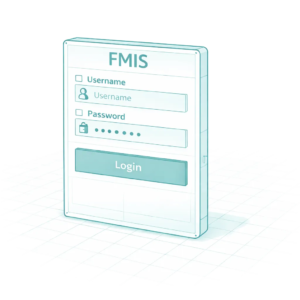
How FMIS solutions are hosted, secured, and maintained.

How data is handled, including roles and regulatory alignment.
How security is applied throughout the software lifecycle.

How risks are identified, tested, and resolved.
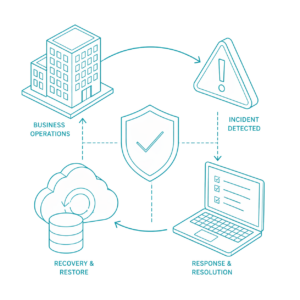
How availability is maintained and incidents are handled.

How our approach aligns with UK, EU, and international requirements.

FMIS Accessibility Statement, WCAG 2.2 AA Compliance and contact details.

Common questions and how to request further information.
 https://www.fmis.co.uk/wp-content/uploads/2026/09/FMIS-Lease-Accounting-version-12.47-product-update.webp
396
495
John de Robeck
https://www.fmis.co.uk/wp-content/uploads/2026/04/FMISNavyTeal-1-150x80-1.webp
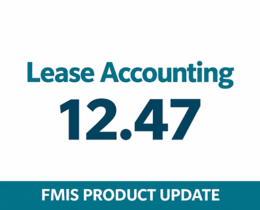
John de Robeck2026-09-17 15:14:582026-09-17 15:15:01What is new in FMIS Lease Accounting version 12.47
https://www.fmis.co.uk/wp-content/uploads/2026/09/FMIS-Lease-Accounting-version-12.47-product-update.webp
396
495
John de Robeck
https://www.fmis.co.uk/wp-content/uploads/2026/04/FMISNavyTeal-1-150x80-1.webp
John de Robeck2026-09-17 15:14:582026-09-17 15:15:01What is new in FMIS Lease Accounting version 12.47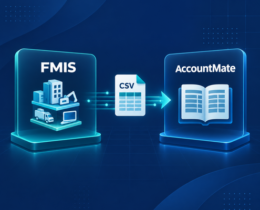 https://www.fmis.co.uk/wp-content/uploads/2026/09/FMIS-AccountMate-Integration-for-FMIS-Fixed-Assets.webp
450
495
John de Robeck
https://www.fmis.co.uk/wp-content/uploads/2026/04/FMISNavyTeal-1-150x80-1.webp
John de Robeck2026-09-09 17:48:582026-09-21 18:12:04AccountMate Fixed Asset Integration with FMIS
https://www.fmis.co.uk/wp-content/uploads/2026/09/FMIS-AccountMate-Integration-for-FMIS-Fixed-Assets.webp
450
495
John de Robeck
https://www.fmis.co.uk/wp-content/uploads/2026/04/FMISNavyTeal-1-150x80-1.webp
John de Robeck2026-09-09 17:48:582026-09-21 18:12:04AccountMate Fixed Asset Integration with FMIS https://www.fmis.co.uk/wp-content/uploads/2026/03/Book-Value-Accumulated-Depreciation.webp
450
500
John de Robeck
https://www.fmis.co.uk/wp-content/uploads/2026/04/FMISNavyTeal-1-150x80-1.webp
John de Robeck2026-08-27 12:50:062026-09-28 05:18:31Net Book Value (NBV) Explained : Formula, Calculation, and Examples
https://www.fmis.co.uk/wp-content/uploads/2026/03/Book-Value-Accumulated-Depreciation.webp
450
500
John de Robeck
https://www.fmis.co.uk/wp-content/uploads/2026/04/FMISNavyTeal-1-150x80-1.webp
John de Robeck2026-08-27 12:50:062026-09-28 05:18:31Net Book Value (NBV) Explained : Formula, Calculation, and Examples https://www.fmis.co.uk/wp-content/uploads/2026/08/what-is-capital-allowance.webp
450
500
John de Robeck
https://www.fmis.co.uk/wp-content/uploads/2026/04/FMISNavyTeal-1-150x80-1.webp
John de Robeck2026-08-27 12:49:562026-09-28 05:12:35Capital Allowances Explained: A UK Guide for Businesses
https://www.fmis.co.uk/wp-content/uploads/2026/08/what-is-capital-allowance.webp
450
500
John de Robeck
https://www.fmis.co.uk/wp-content/uploads/2026/04/FMISNavyTeal-1-150x80-1.webp
John de Robeck2026-08-27 12:49:562026-09-28 05:12:35Capital Allowances Explained: A UK Guide for Businesses
