Implement the company and book structure around your first close
Implementation begins with the entity structure and the figures each book needs to hold. Agree a migration date, opening position and reporting requirements before preparing the import.
Prepare the records and accounting inputs
Your team supplies the asset population, accounting policies and opening values. FMIS helps agree the configuration, import format and required outputs.
- Companies, reporting books, currencies, calendars and analysis codes.
- Asset references, acquisition costs, accumulated depreciation, net book values, useful lives and residual values for the required books.
- Exchange rates, user/company access, finance-system account mappings and required historic information.
Reconcile the starting position by company and book
Load representative records and compare cost, accumulated depreciation and net book value with the source register and ledger. Test different book treatments and reporting periods, investigate differences and confirm the opening position before relying on live results.
Test the process and train the team
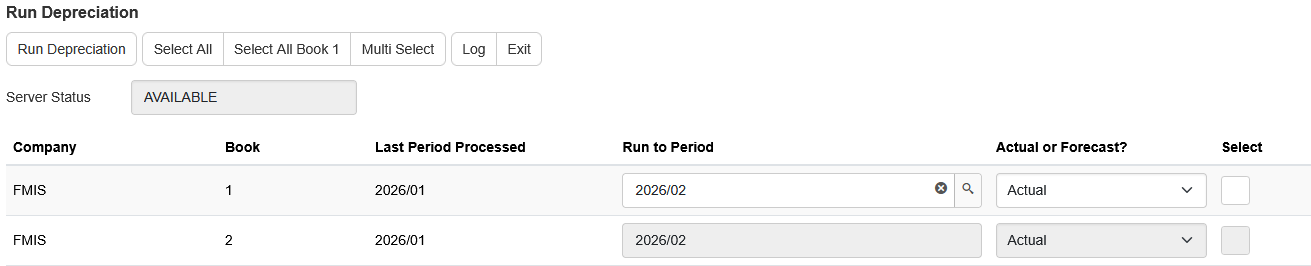
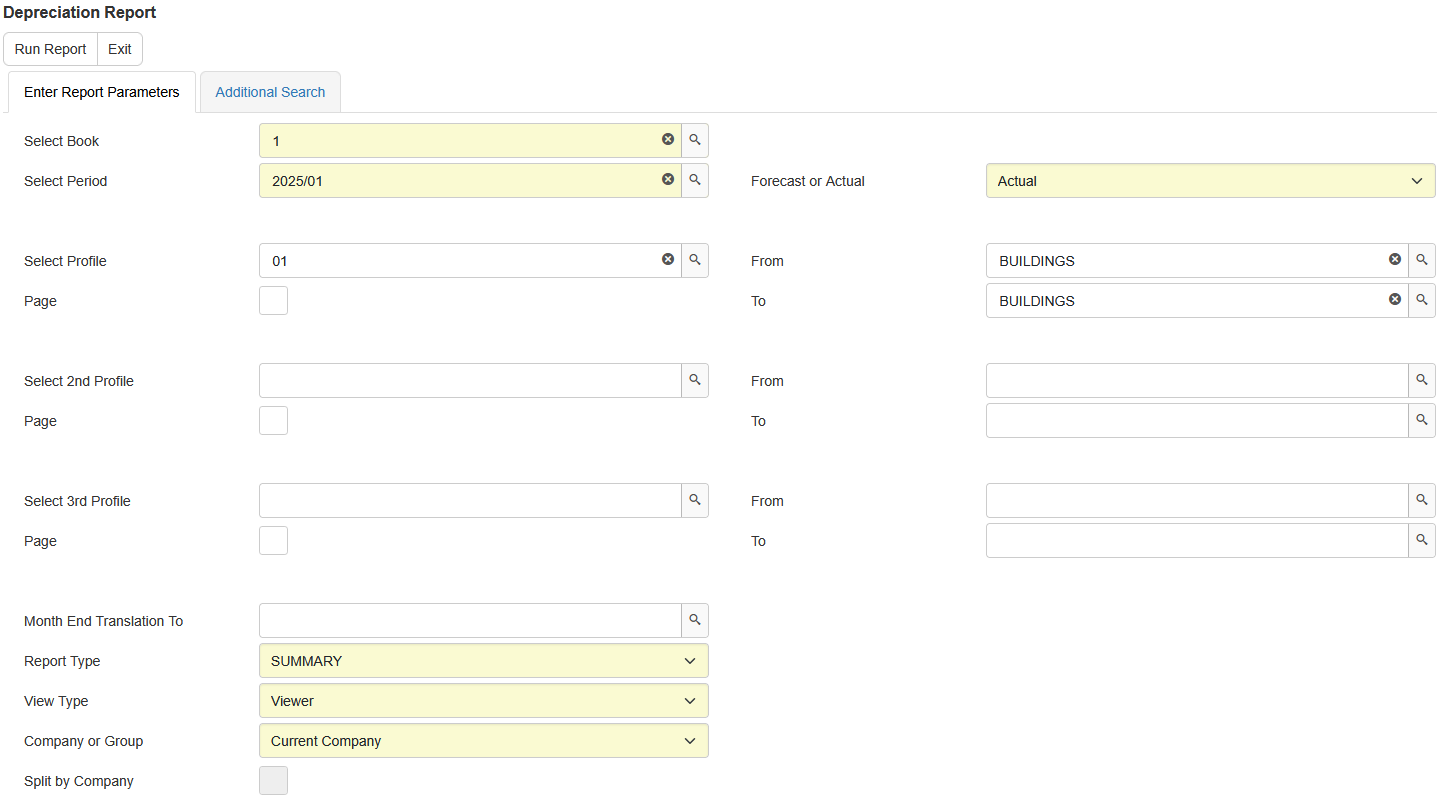
Test company access, asset changes, selected depreciation runs, group reports and posting outputs. Include a representative transfer and currency scenario where relevant. Training should cover the people maintaining local records and those reviewing group figures.
Agree how postings reach each finance system
Configure general ledger rules and account-code derivation for the required company/book outputs. Agree the file format, transfer method and reconciliation responsibilities for each destination system. FMIS can generate Excel or CSV posting files; a direct interface is scoped separately. Check existing entries so that depreciation or asset movements are not posted twice.