FMIS Order Management
FMIS Order Management automates your quotes, sales orders, purchase orders, inventory and accounting in one smooth workflow.
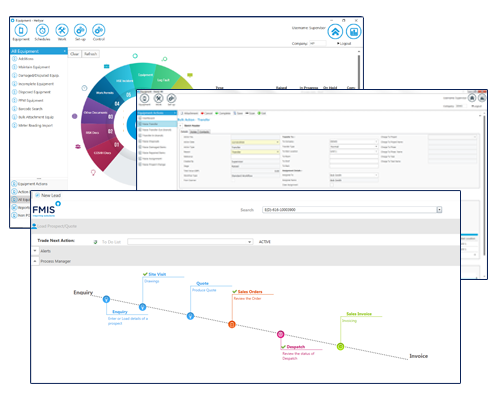

Quotes
✓ Workflow templates for project and standard quotes
✓ Change order management
✓ Flexible authorisation workflows for quote approvals
✓ Import quote or sales information from external sources including your CRM
✓ Design bespoke template layouts for all quotes and sales orders
Sales orders
✓ Create sales orders directly from quotes
✓ Flexible workflow templates
✓ Change orders and versioning to keep track of all changes
✓ Create authorisation workflows for different scenarios
✓ Easily add kits and assemblies to orders
✓ Swap in specific products for generic bill of material (BOM) lines
✓ Allocate stock to orders based on availability or order new stock
Demand fulfilment
✓ Sales order demand is fulfilled by purchase order, from stock or by work order
✓ Create back to back purchase orders
✓ Auto-replenishment for stock
✓ Demand planning
✓ Create purchase orders based on existing stock levels
✓ Allocate stock based on sales demand
Purchase Orders
✓ Create purchase orders or allocate stock using requisitions
✓ Manage purchase order authorisation with workflows
✓ Create blanket purchase orders
✓ Manage contract purchasing
✓ Streamline stock purchasing with auto-replenishment
✓ Design bespoke purchase order templates with the report builder
Stock and Inventory
✓ Manage goods receipt via the purchase order or barcode scanner
✓ Process customer returns
✓ Integrated barcode tagging to streamline stock tracking and allocation
✓ Serial or batch tracking for stock and inventory
✓ Manage stock transfers, adjustments and maintenance
✓ Full warehouse management
✓ Just in time (JIT) re-order and production replenishment
✓ Stock takes/counts and auto adjustments
✓ Automatic batch postings into your finance system for stock valuations
✓ Fully customisable pick and put-away lists
✓ Full audit history for all stock and inventory
Invoice matching
✓ Two or three-way invoice matching
✓ Full invoice register
✓ Exception management based on agreed thresholds
✓ Create change orders to handle mismatches
✓ Automatically post accounts payable batches to the general ledger
✓ Automated finance interface
Sales Invoices
✓ Sales ledger integration
✓ Create sales invoices for desptach
✓ Create flexible templates for invoices quickly and easily
✓ Track and manage changes to sales orders
Finance
✓ Full accounts payable, accounts receivable and general ledger
✓ Bank and cash book management
✓ User-friendly dashboard to quickly view information and actions
✓ Profit and loss balance sheet and budgeting
✓ Full accounting module
Equipment Tracking
✓ Serialised or batch tracking for equipment with integrated barcode tagging
✓ Integrated fixed asset accounting and management
✓ Manage equipment loans, transfers and assignments
✓ Track and improve equipment utilisation on jobs
✓ Manage equipment disposals and all other actions across the life cycle
FMIS Order Management is part of a modular solution offering integration with the wider FMIS Asset Management and Finance solutions. Order Management also interfaces with leading finance and ERP packages.


“The team have been brilliant. The support that they have provided for us has been a credit to FMIS.”
Marilyn Draper
Finance Projects Manager, ESA Ltd
Sue Lawless
Business Manager, Exponent
How does FMIS Order Management help with stock management?
FMIS enables efficient stock management by tracking goods receipts, customer returns, stock transfers, and adjustments. It includes features like barcode tagging, serial/batch tracking, warehouse management, and just-in-time (JIT) re-ordering to minimise stock costs and improve availability.
What industries can benefit from FMIS Order Management?
FMIS Order Management is versatile and suits industries like manufacturing, distribution, retail, construction, healthcare, and any business requiring efficient order and inventory management.
How does FMIS handle invoicing?
FMIS automates invoice matching (two or three-way) and allows for flexible sales invoice creation. It tracks changes to sales orders and ensures accurate financial records.
How user-friendly is FMIS Order Management?
The solution is designed with user-friendly dashboards, intuitive interfaces, and comprehensive support documentation, ensuring ease of use for all team members.
Is training provided for the users?
Yes, FMIS offers training to enable your team can use the system effectively, maximising its value.
How does FMIS ensure data security within the system?
FMIS follows industry best practices for data security, including encryption, role-based access control, and secure system integrations.
How much does FMIS Software cost?
Pricing depends on factors like the number of users, required modules, and deployment method. Contact us to discuss your needs and request a personalised quote using our contact form.
 https://www.fmis.co.uk/wp-content/uploads/2026/09/FMIS-Fixed-Assets-version-12.47-product-update.webp
396
495
John de Robeck
https://www.fmis.co.uk/wp-content/uploads/2026/04/FMISNavyTeal-1-150x80-1.webp
John de Robeck2026-09-17 15:15:282026-09-17 15:15:30What is new in FMIS Fixed Assets version 12.47
https://www.fmis.co.uk/wp-content/uploads/2026/09/FMIS-Fixed-Assets-version-12.47-product-update.webp
396
495
John de Robeck
https://www.fmis.co.uk/wp-content/uploads/2026/04/FMISNavyTeal-1-150x80-1.webp
John de Robeck2026-09-17 15:15:282026-09-17 15:15:30What is new in FMIS Fixed Assets version 12.47 https://www.fmis.co.uk/wp-content/uploads/2026/09/FMIS-Lease-Accounting-version-12.47-product-update.webp
396
495
John de Robeck
https://www.fmis.co.uk/wp-content/uploads/2026/04/FMISNavyTeal-1-150x80-1.webp
John de Robeck2026-09-17 15:14:582026-09-17 15:15:01What is new in FMIS Lease Accounting version 12.47
https://www.fmis.co.uk/wp-content/uploads/2026/09/FMIS-Lease-Accounting-version-12.47-product-update.webp
396
495
John de Robeck
https://www.fmis.co.uk/wp-content/uploads/2026/04/FMISNavyTeal-1-150x80-1.webp
John de Robeck2026-09-17 15:14:582026-09-17 15:15:01What is new in FMIS Lease Accounting version 12.47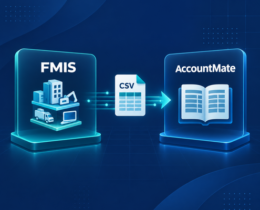 https://www.fmis.co.uk/wp-content/uploads/2026/09/FMIS-AccountMate-Integration-for-FMIS-Fixed-Assets.webp
450
495
John de Robeck
https://www.fmis.co.uk/wp-content/uploads/2026/04/FMISNavyTeal-1-150x80-1.webp
John de Robeck2026-09-09 17:48:582026-09-21 18:12:04AccountMate Fixed Asset Integration with FMIS
https://www.fmis.co.uk/wp-content/uploads/2026/09/FMIS-AccountMate-Integration-for-FMIS-Fixed-Assets.webp
450
495
John de Robeck
https://www.fmis.co.uk/wp-content/uploads/2026/04/FMISNavyTeal-1-150x80-1.webp
John de Robeck2026-09-09 17:48:582026-09-21 18:12:04AccountMate Fixed Asset Integration with FMIS https://www.fmis.co.uk/wp-content/uploads/2026/08/Asset-Depreciation-Methods-.webp
450
500
John de Robeck
https://www.fmis.co.uk/wp-content/uploads/2026/04/FMISNavyTeal-1-150x80-1.webp
John de Robeck2026-08-27 12:51:012026-09-22 08:30:14Asset Depreciation Methods Explained for UK Businesses
https://www.fmis.co.uk/wp-content/uploads/2026/08/Asset-Depreciation-Methods-.webp
450
500
John de Robeck
https://www.fmis.co.uk/wp-content/uploads/2026/04/FMISNavyTeal-1-150x80-1.webp
John de Robeck2026-08-27 12:51:012026-09-22 08:30:14Asset Depreciation Methods Explained for UK Businesses https://www.fmis.co.uk/wp-content/uploads/2026/08/fixed-asset-audit-step-by-step.webp
450
500
John de Robeck
https://www.fmis.co.uk/wp-content/uploads/2026/04/FMISNavyTeal-1-150x80-1.webp
John de Robeck2026-08-27 12:50:322026-09-28 05:25:03How to Conduct a Fixed Asset Audit: Step by Step
https://www.fmis.co.uk/wp-content/uploads/2026/08/fixed-asset-audit-step-by-step.webp
450
500
John de Robeck
https://www.fmis.co.uk/wp-content/uploads/2026/04/FMISNavyTeal-1-150x80-1.webp
John de Robeck2026-08-27 12:50:322026-09-28 05:25:03How to Conduct a Fixed Asset Audit: Step by Step