What is Barcode Asset Tracking?
Learn how and why barcodes, QR Codes and RFID asset tags can help you to track assets and equipment faster and more accurately
Written by: John de Robeck • Published: October 3, 2022 • Updated: March 10, 2026
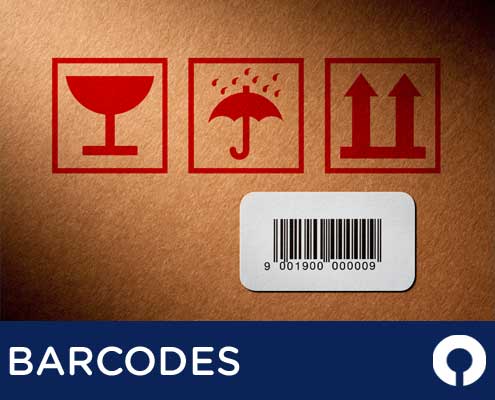


With barcode scanning, organisations can boost accuracy and reduce the risk of human error. Without the need for manual data entry, information about assets can be updated and viewed instantaneously using the software. Moreover, using barcode tracking cuts out data duplication to further improve the accuracy of asset tracking.

With a barcode asset tracking system, there’s no need to waste time or money tracking assets manually. Tags can be printed cheaply on-site or ordered from a distributor making asset tagging quick and easy. Good asset tracking software is usually intuitive, so staff should be able to pick it up quickly with some training reducing the chance of process errors. Barcode asset tracking has the capacity to greatly reduce the time and resources required to track and manage assets effectively.

Auditing assets is a simple process with barcode scanning. All you need to do is scan the tags using a handheld barcode scanner or mobile device to identify the unique asset. The software record will display data about location history, condition, maintenance, use, and more with a single click. With quick and efficient audits, it becomes easier than ever to ensure compliance with all relevant financial and accounting standards.

Barcoding can help track a wide range of actions across the asset lifecycle, making it a valuable tool for different areas of the business. The asset lifecycle typically may include assignments, transfers, disposals, damages, repairs, item location, and goods receipt to match PO (additions). Using barcodes for tracking assets and equipment can enhance your organisation’s visibility across all these areas.
Another asset tracking tool that is often compared to barcoding is RFID. An RFID (Radio-Frequency Identification) system uses tags with chips that emit radio waves. An RFID reader can receive these radio waves and access the stored data. While barcodes work by pointing the scanner at the barcode label, RFID radio waves can be picked up at longer distances with no requirement for a line of sight.
RFID tags can store up to 4 million characters and in some circumstances can be more durable and long-lasting than barcodes, but not always. An RFID system is more complex to implement for asset tracking and is also more expensive than barcode technology.
Learn more about the differences between barcodes and RFID systems here.
Barcoding can be used in a range of different sectors, from manufacturing and education to healthcare. Tracking assets using barcodes is an easy way to save time and money in your organisation, even with relatively low asset volumes to track, making it cost-effective, more accurate and easier to maintain than manual asset tracking tools.
For a cost-effective and easy-to-use solution to asset tracking, try FMIS Asset Tracking. Integrated with our Fixed Asset Management and Equipment Maintenance software modules, asset barcode tagging allows you to streamline physical audits, improve asset visibility, and reduce operational costs and write-offs. The software works with any compatible barcode scanner such as a USB scanner or iOS/Android mobile device, making this a perfect solution for asset tracking and maintenance in the field.
 https://www.fmis.co.uk/wp-content/uploads/2026/10/FMIS-PHP-Security-Update-Hero-V1.webp
500
500
John de Robeck
https://www.fmis.co.uk/wp-content/uploads/2026/04/FMISNavyTeal-1-150x80-1.webp
John de Robeck2026-10-22 11:51:212026-10-22 17:55:11PHP security update: FMIS software is unaffected
https://www.fmis.co.uk/wp-content/uploads/2026/10/FMIS-PHP-Security-Update-Hero-V1.webp
500
500
John de Robeck
https://www.fmis.co.uk/wp-content/uploads/2026/04/FMISNavyTeal-1-150x80-1.webp
John de Robeck2026-10-22 11:51:212026-10-22 17:55:11PHP security update: FMIS software is unaffected https://www.fmis.co.uk/wp-content/uploads/2026/09/FMIS-Fixed-Assets-version-12.47-product-update.webp
396
495
John de Robeck
https://www.fmis.co.uk/wp-content/uploads/2026/04/FMISNavyTeal-1-150x80-1.webp
John de Robeck2026-09-17 15:15:282026-09-17 15:15:30What is new in FMIS Fixed Assets version 12.47
https://www.fmis.co.uk/wp-content/uploads/2026/09/FMIS-Fixed-Assets-version-12.47-product-update.webp
396
495
John de Robeck
https://www.fmis.co.uk/wp-content/uploads/2026/04/FMISNavyTeal-1-150x80-1.webp
John de Robeck2026-09-17 15:15:282026-09-17 15:15:30What is new in FMIS Fixed Assets version 12.47 https://www.fmis.co.uk/wp-content/uploads/2026/09/FMIS-Lease-Accounting-version-12.47-product-update.webp
396
495
John de Robeck
https://www.fmis.co.uk/wp-content/uploads/2026/04/FMISNavyTeal-1-150x80-1.webp
John de Robeck2026-09-17 15:14:582026-09-17 15:15:01What is new in FMIS Lease Accounting version 12.47
https://www.fmis.co.uk/wp-content/uploads/2026/09/FMIS-Lease-Accounting-version-12.47-product-update.webp
396
495
John de Robeck
https://www.fmis.co.uk/wp-content/uploads/2026/04/FMISNavyTeal-1-150x80-1.webp
John de Robeck2026-09-17 15:14:582026-09-17 15:15:01What is new in FMIS Lease Accounting version 12.47 https://www.fmis.co.uk/wp-content/uploads/2026/09/FMIS-AccountMate-Integration-for-FMIS-Fixed-Assets.webp
450
495
John de Robeck
https://www.fmis.co.uk/wp-content/uploads/2026/04/FMISNavyTeal-1-150x80-1.webp
John de Robeck2026-09-09 17:48:582026-09-21 18:12:04AccountMate Fixed Asset Integration with FMIS
https://www.fmis.co.uk/wp-content/uploads/2026/09/FMIS-AccountMate-Integration-for-FMIS-Fixed-Assets.webp
450
495
John de Robeck
https://www.fmis.co.uk/wp-content/uploads/2026/04/FMISNavyTeal-1-150x80-1.webp
John de Robeck2026-09-09 17:48:582026-09-21 18:12:04AccountMate Fixed Asset Integration with FMIS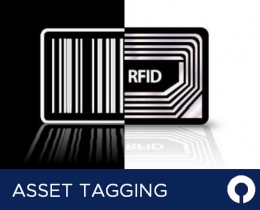




 What is Lease Administration Software?