Data Protection & Privacy
Data protection, privacy, and regulatory compliance at FMIS


FMIS provides systems used to manage financial and operational data. Data protection is therefore a core part of how our solutions are delivered and supported.
This page explains how FMIS handles data in practice, including roles, responsibilities, and the controls applied to protect client information.

If you have questions about security, data protection, or require documentation for a review, get in touch with our team.
Email our team Privacy policy Cookie policy
FMIS aligns its data protection practices with recognised regulatory frameworks and maintains registration with the UK Information Commissioner’s Office (ICO).
Our approach is designed to support organisations operating across multiple regions, with consistent data handling and security controls regardless of location.
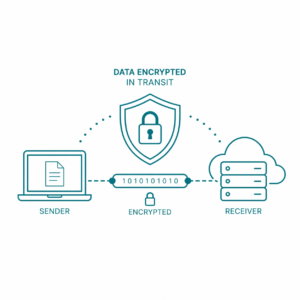
Data is managed within a controlled environment, with consistent standards applied across all systems.
These controls are applied as part of day-to-day system operation, not as separate or optional measures.

FMIS acts as a controller for its own business activities, including enquiries, customer and supplier relationships, marketing, recruitment, employment and security administration.
When FMIS handles personal data through its software and services under a Data Processing Agreement, the customer is normally the controller and FMIS acts as processor on the customer’s documented instructions.
In practice, this means:
This separation ensures that control remains with the organisation that owns the data.

FMIS cloud solutions are hosted in the UK unless otherwise specified, with data stored and managed within this environment. Systems are accessed by organisations internationally, but the same controls and standards are applied across all deployments.
Where third-party services are required, they are selected and managed in line with our information security and data protection policies. This includes appropriate due diligence and ongoing review.

FMIS supports clients in meeting their own data protection obligations.
This includes:
Formal policies and additional detail can be found here:
If you have specific questions relating to data protection or require additional documentation, please contact:
 https://www.fmis.co.uk/wp-content/uploads/2026/09/FMIS-Lease-Accounting-version-12.47-product-update.webp
396
495
John de Robeck
https://www.fmis.co.uk/wp-content/uploads/2026/04/FMISNavyTeal-1-150x80-1.webp
John de Robeck2026-09-17 15:14:582026-09-17 15:15:01What is new in FMIS Lease Accounting version 12.47
https://www.fmis.co.uk/wp-content/uploads/2026/09/FMIS-Lease-Accounting-version-12.47-product-update.webp
396
495
John de Robeck
https://www.fmis.co.uk/wp-content/uploads/2026/04/FMISNavyTeal-1-150x80-1.webp
John de Robeck2026-09-17 15:14:582026-09-17 15:15:01What is new in FMIS Lease Accounting version 12.47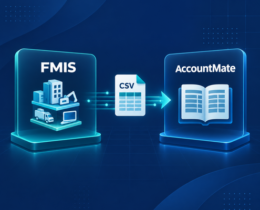 https://www.fmis.co.uk/wp-content/uploads/2026/09/FMIS-AccountMate-Integration-for-FMIS-Fixed-Assets.webp
450
495
John de Robeck
https://www.fmis.co.uk/wp-content/uploads/2026/04/FMISNavyTeal-1-150x80-1.webp
John de Robeck2026-09-09 17:48:582026-09-21 18:12:04AccountMate Fixed Asset Integration with FMIS
https://www.fmis.co.uk/wp-content/uploads/2026/09/FMIS-AccountMate-Integration-for-FMIS-Fixed-Assets.webp
450
495
John de Robeck
https://www.fmis.co.uk/wp-content/uploads/2026/04/FMISNavyTeal-1-150x80-1.webp
John de Robeck2026-09-09 17:48:582026-09-21 18:12:04AccountMate Fixed Asset Integration with FMIS https://www.fmis.co.uk/wp-content/uploads/2026/03/Book-Value-Accumulated-Depreciation.webp
450
500
John de Robeck
https://www.fmis.co.uk/wp-content/uploads/2026/04/FMISNavyTeal-1-150x80-1.webp
John de Robeck2026-08-27 12:50:062026-09-28 05:18:31Net Book Value (NBV) Explained : Formula, Calculation, and Examples
https://www.fmis.co.uk/wp-content/uploads/2026/03/Book-Value-Accumulated-Depreciation.webp
450
500
John de Robeck
https://www.fmis.co.uk/wp-content/uploads/2026/04/FMISNavyTeal-1-150x80-1.webp
John de Robeck2026-08-27 12:50:062026-09-28 05:18:31Net Book Value (NBV) Explained : Formula, Calculation, and Examples https://www.fmis.co.uk/wp-content/uploads/2026/08/what-is-capital-allowance.webp
450
500
John de Robeck
https://www.fmis.co.uk/wp-content/uploads/2026/04/FMISNavyTeal-1-150x80-1.webp
John de Robeck2026-08-27 12:49:562026-09-28 05:12:35Capital Allowances Explained: A UK Guide for Businesses
https://www.fmis.co.uk/wp-content/uploads/2026/08/what-is-capital-allowance.webp
450
500
John de Robeck
https://www.fmis.co.uk/wp-content/uploads/2026/04/FMISNavyTeal-1-150x80-1.webp
John de Robeck2026-08-27 12:49:562026-09-28 05:12:35Capital Allowances Explained: A UK Guide for Businesses
